
Imagine you as an event manager feeling relaxed while watching hindered of guests coming to the corporate event. The registration desk is moving smoothly, the right people are being introduced to each other, the presentation has been personalized for the audience, and the team knows exactly where attention is dropping. Behind much of this may be AI. But the guest doesn’t think about AI. They simply think, “This event feels well planned.” That is perhaps the most interesting shift happening in events in 2026, technology is becoming less visible, while the experience becomes more personal.
For organizations, this opens up very practical possibilities. Before an event, AI can help analyze past attendee data and suggest what different audiences might actually be interested in. At the event, it can recommend relevant sessions, match attendees with people they should meet, or power an AI photo experience that gives guests something worth sharing. After the event, it can help analyze feedback, engagement and leads. For an event manager, this means fewer hours spent on repetitive tasks and more time thinking about what people will actually experience when they walk through the door.
But here is the catch: AI cannot replace the human moment. Imagine a dealer conference where the system identifies the top-performing dealers and recommends networking opportunities. Useful—but it is the event manager who decides to create a relaxed dinner where those relationships can actually develop. Or imagine an employee event where AI creates personalized content for every team. Great technology, but it is the unexpected conversation, the laughter during an activity, or the moment a leader genuinely connects with employees that people remember.
This is why organizations should stop asking, “Where can we use AI in our event?” A better question is, “Where can AI make the human experience better?” Use it to reduce queues, personalize communication, understand audiences, improve matchmaking and measure engagement—but use creativity, storytelling and thoughtful event design to create the moments that technology alone cannot deliver.
Here are some methods where you can put AI at work to help human to be more efficient.
- AI Registration Booth – Face detection, instant check-in and personalized voice welcome.
- AI Photo Booth – Guests transformed into creative themes, characters or brand visuals.
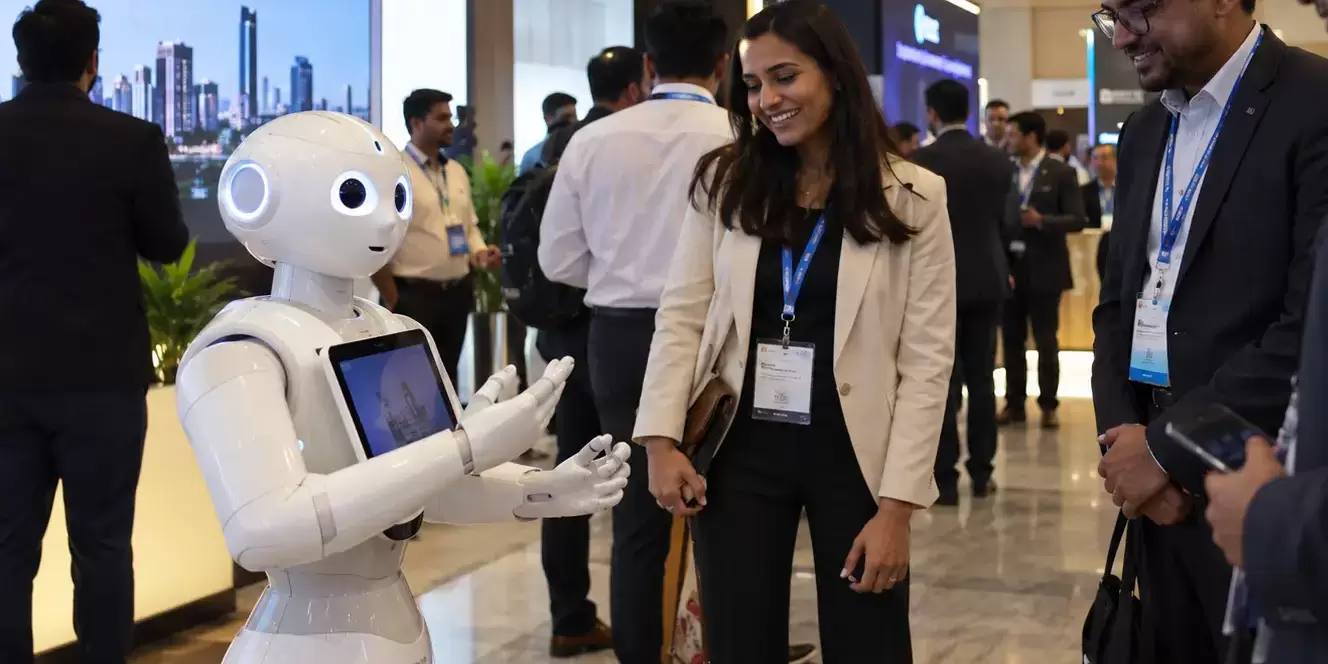
- AI Host for Event – AI enabled digital host to welcome guests and guide them through the event journey.
- AI Networking Matchmaker – AI to help in matching like minded people based on their profiles and interests.
- AI Personalized Welcome – Guest’s name, company and relevant information displayed on screens as they enter.
- AI Event Concierge – Interactive AI kiosk that answers questions about sessions, speakers, venue, food and activities.
- AI Live Content Generator – AI can become your story teller at the event to the world with the help of automated social media manager.
- AI Audience Translator – Basis on the ongoing interaction, customer profiles and peoples engagement, AI can help to translate it into multiple languages, create polls and enhance overall experiences.
- AI Product Experience – AI can help guests to give realtime feedback, implement it on the product and customize it as per customers interest. Like if you want a car in a particular color.
- AI Event Memory – AI creates a personalized photo/video highlight of each guest’s experience and shares it instantly.
The future of events isn’t AI versus human connection. It’s AI enabling better human connection. And for event managers, that is an exciting opportunity: less time managing the predictable, and more time creating the unexpected.